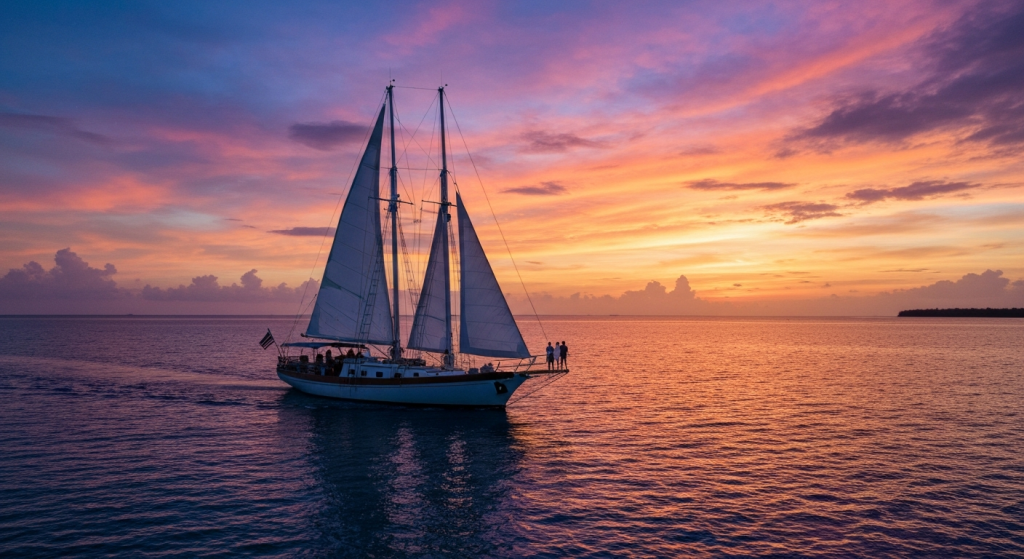
The Maluku Islands, historically known as the Spice Islands, offer an unparalleled sailing experience in Indonesia. Planning a spice islands sailing Indonesia adventure requires precise timing to align with optimal weather conditions. The Banda Sea, central to these voyages, experiences distinct seasonal shifts that dictate safe and enjoyable travel. The region generally presents two prime sailing windows: September through November and a shorter period from March to April. During these months, sea states are typically calmer, with average wave heights often below 1.5 meters, ensuring comfortable passage for vessels carrying 12-24 guests. These periods minimize exposure to the northwest and southeast monsoon winds, which can bring strong gusts up to 25 knots and heavy rainfall, averaging over 200mm per month during peak monsoon, as detailed by meteorological data for the region.
Understanding the Banda Sea’s Dual Sailing Seasons
The Banda Sea operates on a unique weather cycle, distinct from other Indonesian archipelagos like Komodo. This area experiences two primary periods of calm seas, crucial for Banda Sea liveaboard Spice Islands operations. The dominant dry season for the Banda Sea runs from September to November, characterized by stable weather and excellent visibility. A secondary, shorter window occurs from March to April, offering similar calm conditions before the onset of the southeast monsoon. These periods are vital for operators planning longer itineraries, such as 10-12 day cruises, connecting islands like Ambon, Banda Neira, and Ternate. Sea temperatures consistently remain around 28-30°C throughout these windows, supporting diverse marine life.
September to November: The Primary Dry Season Window
From September through November, the Spice Islands experience their most favorable sailing conditions. This period is marked by low rainfall, typically less than 70mm per month in Banda Neira, and light winds, usually ranging from 5 to 15 knots. These calm conditions are ideal for Ambon to Banda Islands cruise 2026 itineraries. Water visibility for diving and snorkeling often exceeds 25 meters, particularly around volcanic islands. This season also coincides with the migration of large pelagic species, including various whale and dolphin species, making it a prime time for wildlife encounters. Several small ship expedition cruises plan their schedules to maximize these three months, offering greater itinerary flexibility and access to remote sites like Run Island.
March to April: The Shoulder Season Opportunity
The March to April window provides a second, albeit shorter, opportunity for Banda Neira sailing trip from Ambon. During these months, the inter-monsoon period brings a lull in strong winds and heavy rains. Average rainfall in Banda Neira drops to approximately 100mm in March and 80mm in April, a significant reduction from the preceding wet season. While conditions can be slightly less predictable than in the September-November period, sea states are generally calm enough for comfortable sailing, with wave heights typically under 2 meters. This shoulder season often sees fewer tourist vessels, offering a more secluded experience for travelers. Many 10-day voyages are scheduled during these two months, often at slightly lower price points, with mid-range expeditions starting around $4,500 per person.
Navigating the Monsoon Periods: May to August & December to February
Sailing in the Spice Islands during the monsoon periods, specifically May to August (southeast monsoon) and December to February (northwest monsoon), presents significant challenges. The southeast monsoon, from May to August, brings stronger winds, frequently exceeding 20 knots, and rougher seas with wave heights often surpassing 2.5 meters. Average monthly rainfall in Banda Neira can reach 250mm during July and August. Similarly, the northwest monsoon, from December to February, delivers heavy rains and squalls. These conditions increase safety concerns and reduce comfort for guests, particularly for couples aged 40-70 and multi-generational families. Most reputable spice islands yacht charter Indonesia operators suspend scheduled expeditions during these months to avoid adverse weather and ensure passenger well-being.
Diving and Snorkeling: Seasonal Considerations
The quality of spice islands diving and sailing Indonesia experiences is highly dependent on the season. During the September-November window, water visibility averages 25-30 meters, offering clear views of vibrant coral reefs and diverse marine life. This period is excellent for both macro photography and encounters with larger pelagics like hammerhead sharks and mobula rays, particularly in the outer Banda Sea. The March-April season also provides good visibility, typically 20-25 meters, though nutrient-rich upwellings can occasionally reduce clarity in specific areas. During monsoon months, increased rainfall leads to runoff and reduced visibility, often below 15 meters, making diving less rewarding. Expedition ships offering dedicated dive programs prioritize the calmer months for optimal underwater conditions and safety.
Logistics and Accessibility for Your Spice Islands Sailing Adventure
Planning your Maluku island hopping sailing itinerary involves understanding the logistics of reaching starting points like Ambon (AMQ) or Ternate (TTE). Both airports are served by domestic airlines from major hubs like Jakarta (CGK) and Bali (DPS). Flights from Jakarta to Ambon typically take around 3 hours 30 minutes, while flights to Ternate average 3 hours 15 minutes. Booking these domestic connections well in advance, especially during peak sailing seasons (September-November), is crucial. Some mid-range expedition cruises, priced at $4,500-$7,500 per person for 10-12 days, may include domestic flight transfers as part of their package, simplifying travel arrangements for international guests predominantly from the US, Germany, UK, and Australia. For comprehensive planning, our Spice Islands Sailing & Liveaboard Guide 2026 provides detailed information.
Key Considerations for Choosing Your Sailing Dates
Selecting the ideal time for your Spice Islands sailing adventure requires evaluating several factors:
- **Sea State and Comfort:** The September-November window consistently offers the calmest seas, with average wave heights under 1.5 meters, crucial for passenger comfort, especially for experienced travelers aged 40-70.
- **Diving and Snorkeling Visibility:** Optimal underwater visibility, often exceeding 25 meters, is found during the September-November dry season, enhancing reef exploration and marine life sightings.
- **Wildlife Encounters:** The period from September to November is known for higher chances of spotting migratory whales and dolphins in the Banda Sea, a highlight for many expeditions.
- **Crowd Levels:** The March-April shoulder season typically sees fewer visitors, offering a more intimate experience at historical sites like Banda Neira’s Fort Belgica, a UNESCO World Heritage Tentative Site [https://whc.unesco.org/en/tentativelists/212/].
- **Cultural Events:** Specific local festivals or harvest celebrations on islands like Banda Neira, centered around nutmeg and mace, often occur during the inter-monsoon periods.
- **Flight Availability and Cost:** Domestic flights to Ambon and Ternate can be more expensive and fill up faster during the peak September-November season, requiring earlier booking.
- **Overall Trip Duration:** Most international travelers plan for 10-12 days on the boat, plus 4-5 days for international and domestic travel, making the two-month prime window a flexible option.
The Spice Islands of Indonesia offer an extraordinary blend of history, culture, and marine biodiversity. Understanding the region’s distinct weather patterns is paramount for a successful and enjoyable spice islands sailing Indonesia experience. The September to November and March to April windows consistently provide the best conditions for exploring this remote archipelago. Plan your expedition during these optimal times to maximize comfort, marine encounters, and historical immersion. To begin planning your adventure, explore our detailed Ambon–Banda–Halmahera Sailing Routes, Weather & Prices guide or contact our team for personalized itinerary assistance.